
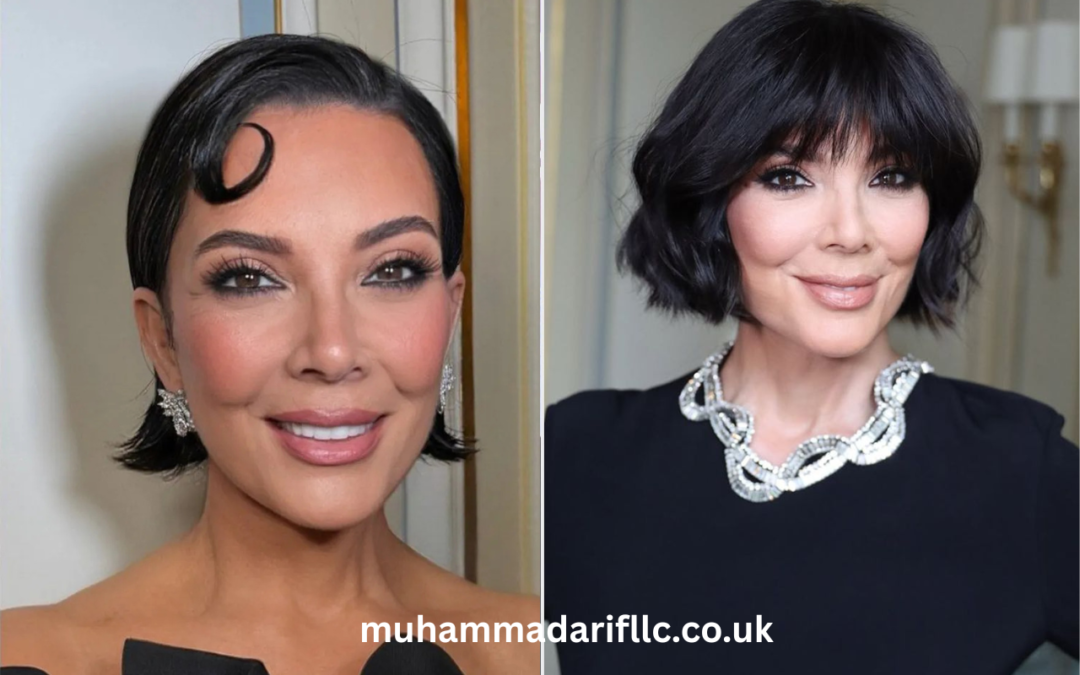

When you think of ageless celebrity transformations, few names spark as much curiosity as Kris Jenner. The matriarch of the Kardashian-Jenner empire has long been the subject of intense public fascination regarding her youthful appearance. Among the most persistent and widely discussed topics is the so-called Kris Jenner face lift, a phrase that has become shorthand for high-end, natural-looking facial rejuvenation. Over the years, fans and critics alike have speculated about what work she may have had, who performed it, and how she maintains such a smooth, lifted look well into her sixties. This comprehensive guide unpacks every layer of that conversation, separating rumor from reality while providing actionable insights for anyone considering similar procedures.
The Evolution of Kris Jenner’s Appearance Over the Decades
Comparing Kris Jenner’s photos from the early 2000s to today reveals a striking transformation. In her early reality TV days, her face displayed natural volume loss, deeper nasolabial folds, and less definition along the jawline. By her late fifties, the Kris Jenner face lift speculation intensified as her cheekbones appeared higher, her jawline sharper, and her neck noticeably smoother. Rather than a dramatic, wind-tunnel look, the changes have been gradual and refined. This slow evolution is a hallmark of modern facial plastic surgery, where patients often undergo staged procedures or subtle touch-ups over many years. Experts point to her 2018–2020 appearances as the period when most surgical changes became visibly apparent, particularly in profile shots showing tightened neck contours and elevated brow positions.
Understanding this timeline matters because it debunks the myth of a single, overnight transformation. Celebrity aging in the public eye rarely involves just one surgery. Instead, the Kris Jenner face lift conversation likely encompasses multiple interventions, including possibly a deep-plane facelift, neck lift, and ancillary treatments like lasers or fillers. By tracing her facial structure decade by decade, you can see how skilled surgeons preserve natural movement while reversing gravitational descent. This approach prioritizes looking like a refreshed version of yourself, not a different person entirely. For anyone researching facial rejuvenation, this evolution serves as a case study in patience, planning, and working with top-tier surgical talent.
What a Modern Facelift Actually Entails
A contemporary facelift, or rhytidectomy, is not the skin-pulling procedure of the 1980s. Today’s best techniques reposition the deeper layers of the face—the superficial musculoaponeurotic system (SMAS)—rather than simply stretching the outer skin. When people discuss the Kris Jenner face lift, they are usually referring to a deep-plane or composite facelift. These approaches release ligaments that hold the cheek and jowl tissues, then lift the entire SMAS layer vertically, not just laterally. The result restores youthful volume to the midface, sharpens the jawline, and can even improve the appearance of the nasolabial folds without looking pulled or unnatural. Recovery typically takes two to four weeks for visible bruising to fade, though final results can take six months to a full year to settle.
What separates an elite outcome like Jenner’s from average results is the surgeon’s attention to detail around the ear and hairline. Incisions are placed within natural creases and often hidden behind the tragus (the small cartilage near the ear canal) to avoid telltale scars. A well-executed facelift should never announce itself to strangers. In the Kris Jenner face lift narrative, the absence of visible scarring or “operated” appearance is what fuels both admiration and curiosity. Additionally, modern lifts frequently pair with neck platysmaplasty (tightening the neck muscles) and sometimes a small chin implant or liposuction under the chin. These adjunctive procedures ensure that the lower face and neck transition smoothly, avoiding the “turkey neck” or jowling that age often brings.
Comparing Facelift Techniques: Deep-Plane vs. SMAS vs. Mini Lift
| Technique | Depth of Lift | Incision Length | Recovery Time | Best For | Expected Longevity | Average Cost Range |
|---|---|---|---|---|---|---|
| Deep-Plane Facelift | SMAS + ligaments | Moderate (ear to hairline) | 3–4 weeks | Moderate to advanced aging, jowls, deep folds | 10–15 years | $20,000 – $35,000 |
| Standard SMAS Facelift | SMAS only | Moderate | 2–3 weeks | Mild to moderate sagging | 7–10 years | $12,000 – $25,000 |
| Mini Facelift (Short Scar) | Skin and superficial SMAS | Short (around ear) | 1–2 weeks | Early jowling, minimal neck laxity | 3–5 years | $7,000 – $15,000 |
| Neck Lift Only | Platysma muscle | Under chin + behind ears | 2 weeks | Isolated neck bands or fat | 8–12 years | $6,000 – $12,000 |
Each technique offers distinct advantages, but the Kris Jenner face lift is most consistent with a deep-plane or extended SMAS facelift combined with a neck lift. Why? Because deep-plane lifts provide superior elevation of the midface cheek pad, which is essential for restoring the high, rounded cheek appearance visible in Jenner’s recent photos. Mini lifts, by contrast, cannot address volume loss in the midface or significant jowling. Understanding these technical distinctions helps you recognize why celebrity results often cost significantly more and require more surgical expertise. When researching your own procedure, ask potential surgeons specifically about their experience with deep-plane techniques and request before-and-after photos in similar lighting and angles to Jenner’s public images.
Non-Surgical Companions: Fillers, Lasers, and Skin Tightening
No conversation about the Kris Jenner face lift is complete without acknowledging the supporting role of non-surgical treatments. Even the most beautiful surgical lift benefits from maintenance with neuromodulators like Botox, hyaluronic acid fillers, and energy-based devices. Jenner has openly discussed her love for lasers and radiofrequency treatments, mentioning on her family’s show that she undergoes regular skin-tightening sessions. These non-invasive options extend the longevity of a facelift by stimulating collagen production and addressing dynamic wrinkles that surgery cannot eliminate, such as crow’s feet or horizontal forehead lines. Fillers, when used sparingly, can add subtle volume to temples, tear troughs, or lips, but experts caution that overfilling creates a puffy, unnatural look that contradicts the facelift’s purpose.
One of the most popular non-surgical adjuncts today is Ultherapy, which uses ultrasound energy to lift and tighten the skin over several months. Another is radiofrequency microneedling, such as Morpheus8, which remodels deeper skin layers. In the context of the Kris Jenner face lift, these treatments likely serve two purposes: they maintain results between any surgical touch-ups, and they treat areas not addressed by the facelift, like the upper eyelids or perioral region. A common misconception is that celebrities get facelifts and then do nothing else. The reality is that maintenance requires ongoing investment, typically every six to twelve months for lasers and injectables. For the average person, budgeting for both the initial surgery and long-term upkeep is essential to achieving and sustaining a Jenner-like standard.
“The best facelifts are the ones you never notice. When a patient like Kris Jenner looks refreshed and natural, it’s because the surgeon respected her unique facial anatomy and didn’t try to overcorrect. The goal is to turn back the clock, not to change the watch entirely.” — Dr. Paul Nassif, facial plastic surgeon and television personality.
The Role of Genetics, Lifestyle, and Skincare
Surgery alone does not explain the full picture of Kris Jenner’s appearance. Her mother, Mary Jo “M.J.” Shannon, also aged gracefully, suggesting strong genetic foundations. But the Kris Jenner face lift results are amplified by meticulous skincare and lifestyle habits. Jenner has credited daily sunscreen use, retinol, vitamin C serums, and professional-grade chemical peels as non-negotiable parts of her routine. She also avoids excessive sun exposure and maintains a consistent sleep schedule, both of which reduce oxidative stress and inflammation in the skin. These habits create a healthy canvas that allows any surgical intervention to shine rather than looking like a mask over damaged skin.
Lifestyle factors like hydration, diet, and stress management also play measurable roles. High-sugar diets accelerate glycation, a process that stiffens collagen and makes skin more brittle. Conversely, anti-inflammatory foods rich in omega-3s and antioxidants support wound healing and surgical recovery. When evaluating your own potential for a Kris Jenner face lift outcome, honestly assess your sun damage history, smoking status, and skincare consistency. A skilled surgeon will often delay operating on patients with active sun damage or poor skin quality because the results will be suboptimal. In many cases, six months of preparatory skincare and laser treatments can dramatically improve final surgical outcomes, proving that the best celebrity transformations are partnerships between patient and provider.
Costs, Recovery, and Realistic Expectations
Pricing for a high-quality facelift varies dramatically by geography and surgeon reputation. In Los Angeles, where Kris Jenner’s likely surgeon practices, a deep-plane facelift with neck lift ranges from $25,000 to $50,000 or more. This does not include facility fees, anesthesia, or post-operative care like lymphatic drainage massages. The Kris Jenner face lift price tag, if estimated, likely exceeds $40,000 when accounting for the surgeon’s exclusivity and potential simultaneous procedures like upper or lower blepharoplasty (eyelid surgery). Cheaper alternatives exist, but bargain-priced facelifts often result in telltale signs: visible scars, pixie ear deformity (pulled earlobes), or an unnatural “windswept” appearance. For facial surgery, paying for expertise is almost always more cost-effective than paying for revision.
Recovery demands real patience. Weeks one and two involve significant swelling, bruising, and numbness. Most patients can return to social activities by week three but must avoid strenuous exercise for six weeks. Sleeping elevated and using cold compresses reduce complications. What the Kris Jenner face lift speculation rarely captures is the emotional recovery: adjusting to a new reflection, managing friends’ reactions, and waiting through the unpredictable healing phases. Realistic expectations mean understanding that final results appear around six months post-op, with continued softening up to one year. Social media posts showing celebrities glowing two weeks after surgery are often misleading due to professional makeup, strategic lighting, and photo editing. Your own recovery will likely feel slower and less glamorous, which is completely normal.
Common Myths and Misconceptions Debunked
Myth one: Facelifts fix all signs of aging. In truth, a facelift primarily addresses the lower two-thirds of the face—jowls, jawline, and neck. It does not correct upper eyelid hooding, forehead wrinkles, or volume loss in the lips and under-eyes. That is why the Kris Jenner face lift likely coexists with other procedures like a brow lift or laser resurfacing. Myth two: Results look fake. Modern techniques produce natural results when performed by board-certified facial plastic surgeons. The “fake” look stems from over-lifting the skin, ignoring the SMAS layer, or adding too much fat grafting or filler concurrently. Myth three: One facelift lasts forever. Gravity continues to act, and skin continues to age. Most patients consider a secondary facelift ten to fifteen years after their first, though often less extensive.
Another persistent myth is that celebrities hide all their surgeries. The Kris Jenner face lift discourse sometimes claims she has had three or four facelifts. However, experts note that a single, well-executed deep-plane facelift can achieve a dramatic change that looks like multiple surgeries to untrained eyes. Additionally, weight fluctuations, changes in makeup techniques, and evolving brow shapes (such as the transition from thin 2000s brows to fuller natural brows) create optical illusions of more surgery than actually occurred. Separating fact from fiction requires looking at surgical markers: scar placement, ear shape changes, and hairline distortion. Jenner’s hairline remains natural, her ears lack pixie deformity, and no obvious scarring appears in high-resolution images. These signs point to exceptional surgical skill rather than multiple failed surgeries.
Read More: Kate Middleton News: Latest Updates, Royal Insights, and What It Means for the Monarchy
Conclusion
The fascination with the Kris Jenner face lift reflects a broader cultural interest in aging on your own terms. While the exact details of her surgical history remain private, the visible evidence points to a deep-plane facelift with neck lift, supplemented by non-surgical maintenance, rigorous skincare, and favorable genetics. More importantly, her transformation underscores a critical lesson: exceptional results require exceptional surgeons, realistic expectations, and a long-term commitment to facial health. For anyone considering a facelift, use the Jenner conversation as a starting point for research, not a blueprint for imitation. Your face has unique anatomy, and the goal should always be to look like the best version of yourself, not a copy of a celebrity. Consult multiple board-certified surgeons, review hundreds of before-and-after photos, and prioritize natural outcomes over dramatic changes. When done right, a facelift doesn’t announce itself—it simply makes you look like you’ve been on a very long, very restful vacation.
FAQ
Has Kris Jenner ever confirmed she had a face lift?
Kris Jenner has not explicitly confirmed undergoing a face lift, but she has acknowledged using lasers, fillers, and Botox. The Kris Jenner face lift remains speculative, though multiple plastic surgeons have analyzed her photos and concluded she likely had a deep-plane facelift combined with neck lift based on visible anatomical changes.
What is the difference between a face lift and a mini face lift?
A full facelift repositions deeper muscle and fat layers, addressing jowls, midface descent, and the neck. A mini facelift only tightens skin around the ears and is best for mild sagging. The Kris Jenner face lift appears to be a full deep-plane lift because of the dramatic improvement in her jawline and cheek position.
How long does a face lift last compared to non-surgical treatments?
A high-quality facelift typically lasts ten to fifteen years. Non-surgical treatments like Ultherapy or radiofrequency may last one to two years, while fillers last six to eighteen months. The Kris Jenner face lift longevity is enhanced by her consistent use of maintenance treatments, proving that surgery and non-surgery work best together.
At what age should you consider a face lift?
Most facelift patients are between forty-five and sixty-five years old, but individual aging varies. The Kris Jenner face lift conversation often notes she was in her early fifties when visible changes occurred. The best age is when you have moderate to severe jowling, deep nasolabial folds, and neck laxity that no longer respond to less invasive options.
Can a face lift look natural without visible scarring?
Yes, when performed by an expert facial plastic surgeon using modern techniques like deep-plane dissection and precise incision placement behind the ear tragus. The Kris Jenner face lift is frequently cited as a gold standard for natural results because no obvious scars or pulled appearance are visible in high-resolution public photos.